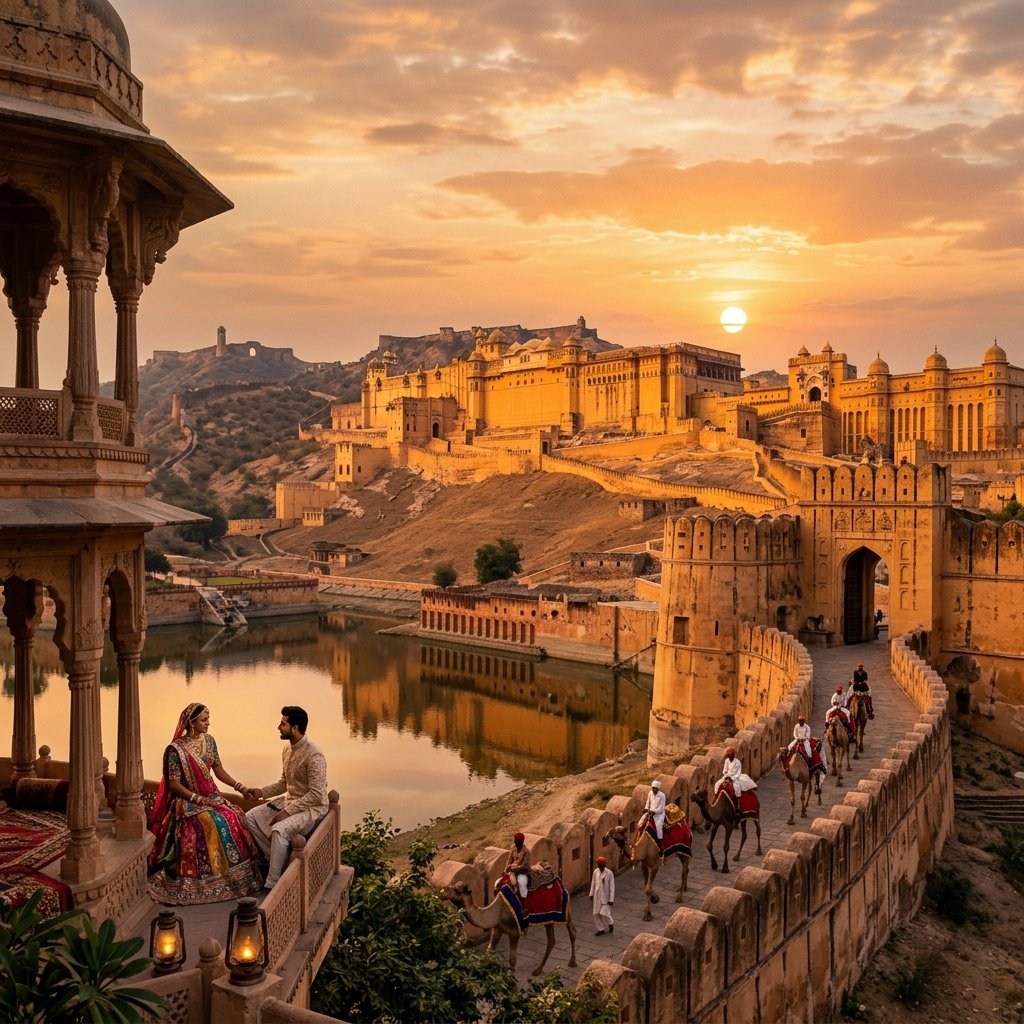
“How to travel India responsibly while supporting local communities.”
Key Takeaways & Travel Highlights
Introduction
Sustainable travel in India is about exploring the country's remarkable landscapes, heritage and cultures while making thoughtful choices that reduce environmental impact and support local communities.
From the Himalayan mountains and Kerala's backwaters to Rajasthan's villages and India's wildlife reserves, tourism can have a significant effect on local ecosystems and communities. Responsible travellers can help make that impact more positive by choosing local businesses, reducing waste, respecting cultural traditions and travelling thoughtfully.
Sustainable travel does not mean giving up comfort or memorable experiences. It means making small, conscious choices that help protect the places you visit for future generations.
Key Insights
One of the simplest ways to make your trip more responsible is to spend money with local businesses.
Your spending can directly contribute to local employment and small businesses.
Plastic waste is a major challenge in many tourist destinations. Travellers can reduce their impact by avoiding unnecessary single-use plastic.
When possible, use refill stations or reliable filtered-water facilities instead of repeatedly buying disposable bottles.
India has an extensive railway and public transportation network. Trains, buses, metros and shared transportation can often be practical alternatives to private vehicles.
Public transport can also provide a more authentic way to experience everyday life.
When choosing accommodation, look for properties that demonstrate practical sustainability measures.
Eco-friendly does not always mean luxury. Small guesthouses and homestays can also follow responsible practices.
India has enormous cultural and religious diversity. Responsible travel means respecting local customs rather than treating traditions simply as tourist attractions.
A respectful traveller observes and learns rather than interfering.
Buying locally made handicrafts can support traditional skills and communities.
Whenever possible, purchase directly from artisans or reputable cooperatives rather than buying mass-produced items marketed as local handicrafts.
India is home to diverse wildlife, including elephants, tigers, rhinoceroses, birds and numerous other species.
The goal of wildlife tourism should be observation and conservation, not interference.
Water availability varies significantly across India. Tourist demand can put additional pressure on local resources, particularly in dry or water-stressed destinations.
Small savings become meaningful when multiplied across thousands of travellers.
Whether you are visiting the Himalayas, beaches, forests, deserts or waterfalls, leave natural areas as you found them.
A simple rule is: take only memories and leave only footprints.
Popular destinations are important, but responsible travellers can also explore lesser-known towns and regions. Spreading tourism across different destinations can help distribute economic benefits and reduce pressure on heavily visited locations.
Always choose activities that respect local communities and do not turn everyday life into a spectacle.
Choose heritage hotels, locally owned guesthouses, artisan workshops and village experiences. Be particularly mindful of water consumption in desert regions.
Support responsible homestays, local food producers and community tourism. During backwater experiences, choose operators that follow environmental and local regulations.
Avoid littering in mountain areas and minimise plastic use. Use designated trekking routes and respect fragile Himalayan ecosystems.
Reduce plastic use, respect beaches and coastal ecosystems, and support local restaurants and businesses rather than contributing to excessive tourist waste.
Choose locally operated tours and homestays where available. Respect tribal and indigenous cultural traditions and ask permission before photographing people or communities.
Research the environmental and cultural conditions of your destination. Choose accommodation with responsible practices. Plan efficient transportation. Carry reusable travel items. Learn basic local customs. Research ethical wildlife experiences.
Support local businesses. Reduce plastic consumption. Save water and electricity. Respect religious and cultural traditions. Dispose of waste responsibly. Avoid disturbing wildlife. Follow local environmental rules.
Share responsible travel recommendations. Support local artisans when purchasing souvenirs. Leave honest reviews for responsible businesses. Encourage other travellers to make thoughtful choices.
Travel Tips
- ✓ Carry a reusable water bottle and shopping bag.
- ✓ Choose trains and public transportation when practical.
- ✓ Stay in locally owned hotels, homestays or guesthouses.
- ✓ Eat at local restaurants and try regional food.
- ✓ Buy authentic products directly from local artisans where possible.
- ✓ Avoid single-use plastic whenever you can.
- ✓ Respect local dress codes and religious customs.
- ✓ Never feed or touch wild animals.
- ✓ Follow marked trails and protected-area regulations.
- ✓ Leave every destination cleaner and more respectful than you found it.
Elena Rodriguez
Senior Travel Specialist & StorytellerTravel writer and India specialist with over 8 years of experience crafting luxury travel narratives for discerning global travelers.