
Rajasthan, India
Jaipur
Royal Forts, Pink Streets & the Heart of Rajasthan
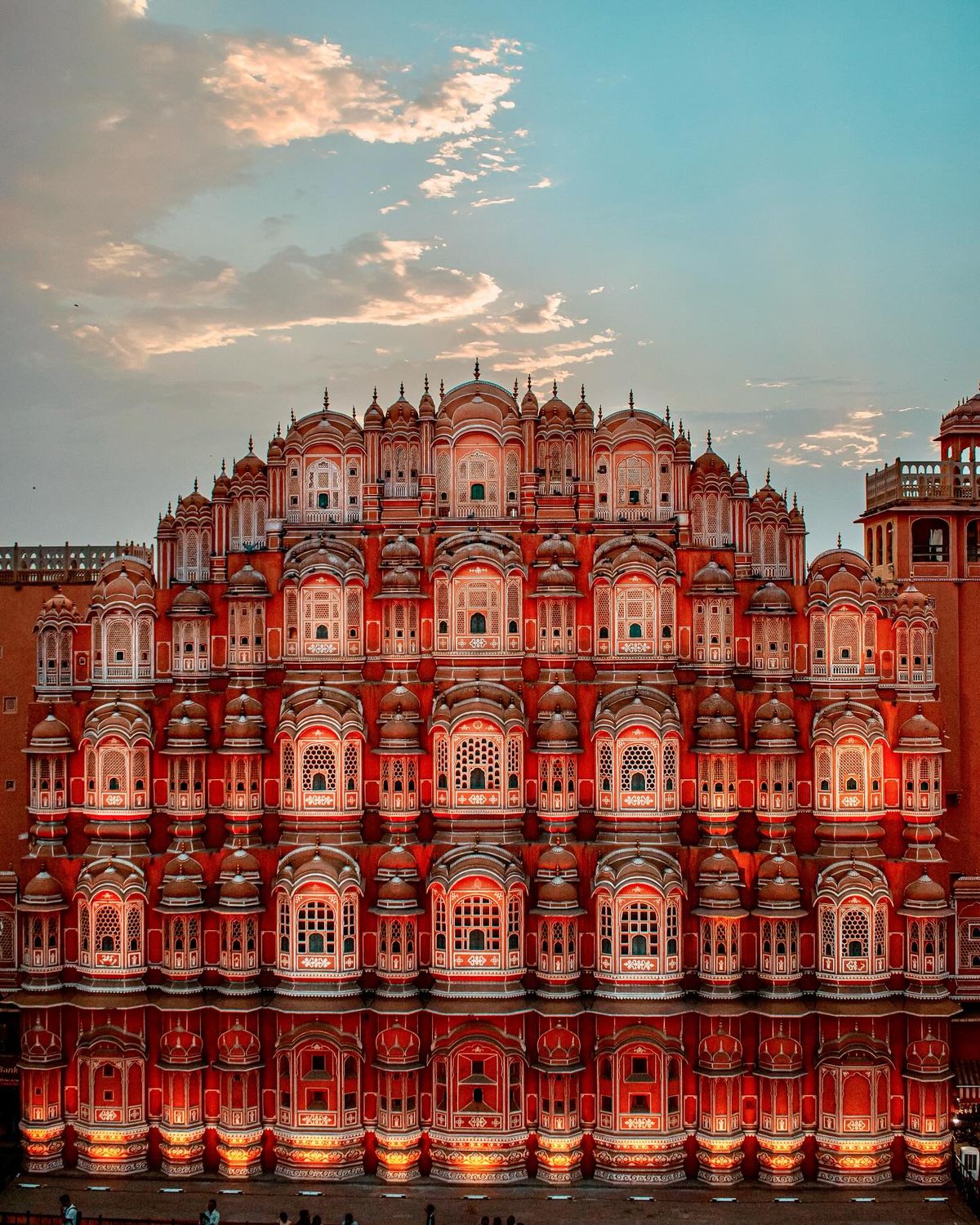
History of Jaipur: The Pink City of India
The city was conceived as the first planned city in India. Maharaja Jai Singh II moved his capital from Amber to Jaipur because of population growth and water scarcity. To design the new city, he relied on the Bengali scholar Vidyadhar Bhattacharya, who combined the architecture of the Shilpa Shastra with the scientific principles of the time.
Construction began in 1727, and in just four years, palaces, avenues and defensive walls were completed. Jaipur was divided into nine blocks: two for royal buildings and seven for public use. In 1853, when the Prince of Wales visited the city, all the buildings were painted pink to welcome him. This colour has been maintained ever since and gave the city its famous nickname.
Climate in Jaipur: When to Visit?
If you have any questions or would like more detailed information, do not hesitate to contact us.
- Summer (April to June): Very hot, with temperatures exceeding 45 °C.
- Winter (November to February): Cold, with minimum temperatures that can fall below 5 °C.
- Best time to travel to Jaipur: Between October and March, when the weather is more pleasant for exploring its monuments and markets.
Culture and People of Jaipur
The culture of Jaipur reflects the grandeur of Rajasthan: royalty, colour and hospitality. Although Hindi is the official language, several regional dialects such as Jaipuri and Marwari are also spoken. The people of Jaipur are known for their friendliness, vibrant traditional clothing and devotion to their cultural heritage.
During your trip, you will see men wearing colourful turbans and women dressed in traditional skirts and handcrafted jewellery such as lac bangles and meenakari pieces.
In terms of religion, although Hinduism is predominant, Jainism, Islam, Sikhism, Buddhism and Christianity are also practised.
How to Reach Jaipur
By Air
Jaipur International Airport is located in Sanganer, 13 km from the city centre. It has frequent domestic flights from Delhi, Mumbai, Udaipur and Jodhpur, as well as international connections to destinations such as Sharjah and Muscat.
By Train
Jaipur Railway Station is well connected to major cities across India. Trains such as the Shatabdi and Rajdhani Express operate frequently.
By Road
Jaipur is well connected by road to Delhi, Agra, Udaipur and other major cities. It can be easily reached by bus, car or private taxi.
Shopping in Jaipur: An Unforgettable Experience
Shopping in Jaipur is an essential part of the journey. The markets are filled with colour, tradition and authentic Rajasthani handicrafts. Here are some must-visit places:
Most Famous Markets and Bazaars:
- Johari Bazaar: Ideal for buying jewellery featuring precious stones such as emeralds, rubies and diamonds.
- Bapu Bazaar and Nehru Bazaar: Perfect for textiles, perfumes, sandals and souvenirs.
- Tripolia Bazaar and Chaura Rasta: Great places to see artisans working with iron, wood and metal.
- Kishanpol Bazaar: Known for its hand-dyed fabrics (Bandhani).
- Sanganer: Famous for handmade paper and blue pottery.
- MI Road: Offers a mix of local handicrafts and more modern shops.
Do not forget to take home a traditional Rajasthani puppet, an iconic souvenir of your trip to Jaipur.
Conclusion
Travelling to Jaipur means stepping into a world of history, art and tradition. From its majestic forts and colourful streets to its unparalleled hospitality, Jaipur is a destination that charms you at every step. Whether you visit for its architecture, culture or shopping, this desert city will leave you with unforgettable memories.
Plan Your Trip
Get a bespoke itinerary in 24 hours.
Need Help? We Are Here To Help You
We Can Tailor-Make a Special Itinerary For You. Contact our specialists directly.