Uttar Pradesh, India
Kanpur
Explore the historical wonders, local food, and cultural highlights of Kanpur.
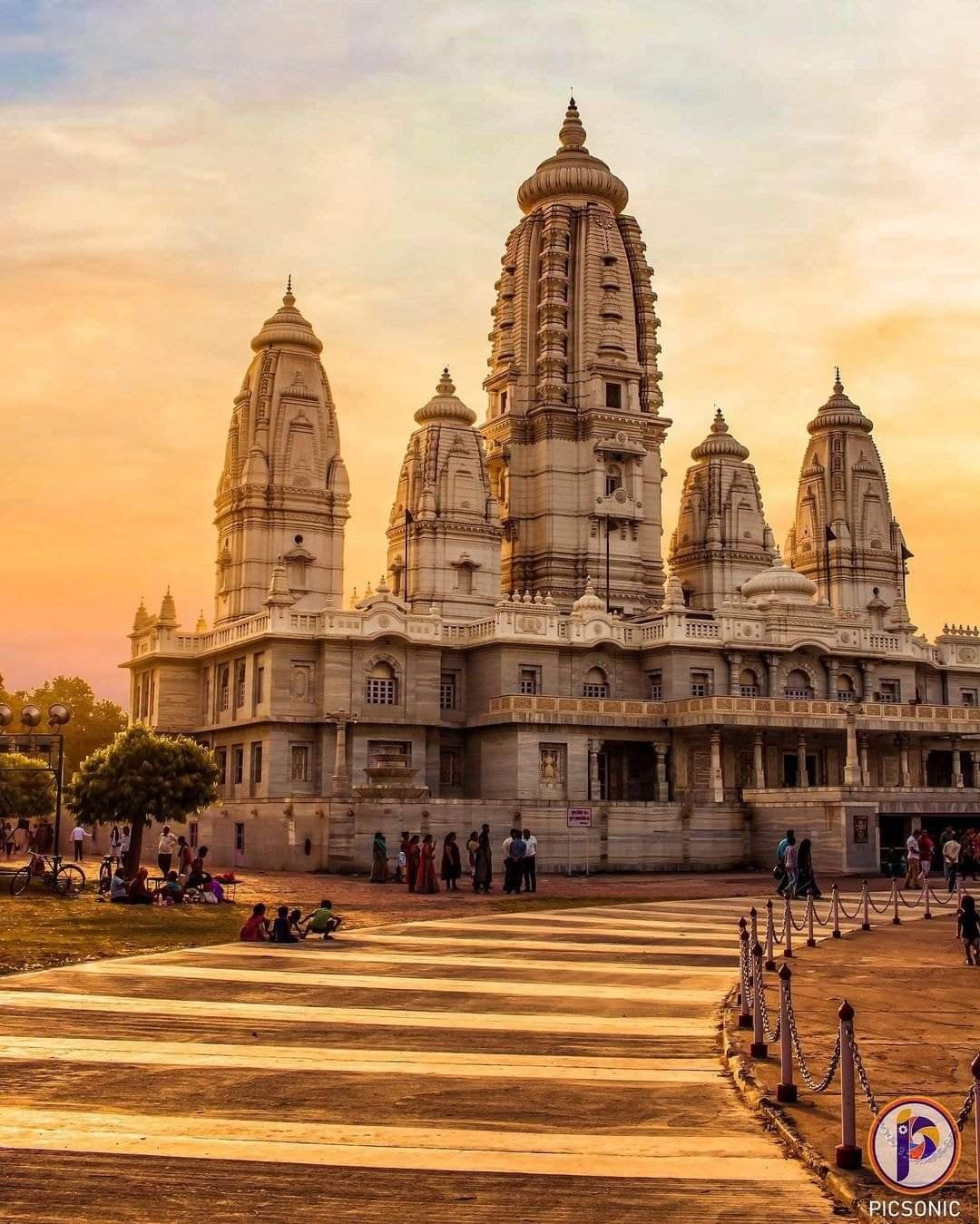
Travel to Kanpur: History, Climate, Shopping and How to Reach
History of Kanpur
Kanpur is one of the major industrial centres of northern India and has considerable historical, religious and commercial importance. The city is believed to have been founded by the Hindu king Singh of the former Sachendi state and was originally known as Kanpur.
Until the first half of the 18th century, Kanpur remained a relatively insignificant village. Its fortunes changed in 1765, when Shuja-ud-Daula, the Nawab Wazir of Awadh, was defeated by the British near Jajmau. From this period onwards, the British began recognising Kanpur's strategic importance.
European entrepreneurs gradually began settling in the area. In 1778, local Awadh forces were moved here to protect European lives and property. Kanpur later came under British control through the Treaty of 1801 with Nawab Saadat Ali Khan of Awadh.
This marked a major turning point in Kanpur's history. The city soon became one of the most important military stations in British India and was declared a district on 24 March 1803.
Kanpur and the Revolt of 1857
Kanpur played an important role during the Indian Rebellion of 1857. Prominent figures such as Nana Sahib, Tantia Tope, Azimullah Khan and Jwala Prasad were associated with the events in the city.
Three major events of 1857 were the fighting at Wheeler's Entrenchment, the incident at Sati Chaura Ghat and the episode at Bibighar.
Nana Sahib declared independence at Kanpur on 7 June 1857. The British garrison under Commander Hugh Wheeler took refuge in a fortified area that later became known as Wheeler's Entrenchment.
The British garrison surrendered towards the end of June 1857 after being promised safe passage to Allahabad. The subsequent events at Sati Chaura Ghat and Bibighar became some of the most tragic and controversial episodes of the rebellion.
After the British reoccupied Kanpur, several memorials were established to commemorate those who died. The Kanpur Memorial Church was built in 1862, while Nana Rao Park preserves elements associated with this period of history.
Industrial Development of Kanpur
After 1857, Kanpur experienced rapid industrial development. The Government Harness and Saddler Factory was established in 1860 to supply leather equipment to the army, followed by Cooper Allen & Co. in 1880.
The first cotton textile mill, Elgin Mills, began operations in 1862, while Moiré Mills was established in 1882.
Today, Kanpur is one of the most industrialised regions of Uttar Pradesh and is also an important educational centre. Institutions include the Indian Institute of Technology, G.S.V.M. Medical College, Agricultural College and several other educational and technical institutions.
Kanpur and India's Freedom Movement
Kanpur made an important contribution to India's freedom movement. The city was associated with figures such as Nana Rao Peshwa, Tantia Tope, Sardar Bhagat Singh and Chandra Shekhar Azad.
The city also contributed significantly to the development of Hindi literature. Writers such as Acharya Mahavira Prasad Dwivedi, Ganesh Shankar Vidyarthi, Pratap Narain Mishra, Acharya Gaya Prasad Shukla and Balkrishna Sharma Navin were associated with Kanpur.
Climate of Kanpur
Kanpur is located on the banks of the Ganges River in Uttar Pradesh. During summer, temperatures can reach approximately 45°C, accompanied by high humidity.
The monsoon usually begins in late June or early July and brings heavy rainfall and high humidity. Winters are more pleasant, although temperatures can fall to approximately 5°C.
The most favourable time to visit Kanpur is generally between October and April.
How to Reach Kanpur
By Air
The Chakeri Airport serves Kanpur. Another option is Amausi Airport in Lucknow, located approximately 65 km away.
By Train
Kanpur has railway connections with major cities across India through express, superfast and passenger trains.
By Road
Kanpur is well connected by road with major cities across India. The city lies on important national routes connecting Delhi, Agra, Allahabad, Kolkata, Lucknow, Jhansi and Shivpuri.
Shopping in Kanpur
Kanpur is particularly famous for its leather industry. The city has numerous private and public units involved in the production and marketing of leather goods.
What to Buy in Kanpur
- Leather suitcases and bags
- Wallets
- Jackets
- Belts
- Gloves
- Shoes
- Saddles
- Decorative leather products
Major Shopping Areas
- Birhana Road
- Gumti No. 5
- Parade
- Naveen Market
- Matson Road
- P.P.N. Market
You can also visit state emporiums such as UPICA, UP Handlooms Emporium, Punjab Emporium and Bengal Emporium.
Hotels in Kanpur
- Gaurav Hotel, Kanpur
- Hotel Meghdoot, Kanpur
- Hotel Landmark, Kanpur
- Hotel Clover Lodge
- Celebration Hotel, Kanpur
- Kanha Continental Hotel, Kanpur
Why Visit Kanpur?
A trip to Kanpur offers an opportunity to explore a city where modern Indian history, the freedom movement, leather industries, education and commercial activity come together to create a distinctive experience in northern India.
Plan Your Trip
Get a bespoke itinerary in 24 hours.
Need Help? We Are Here To Help You
We Can Tailor-Make a Special Itinerary For You. Contact our specialists directly.